Overview
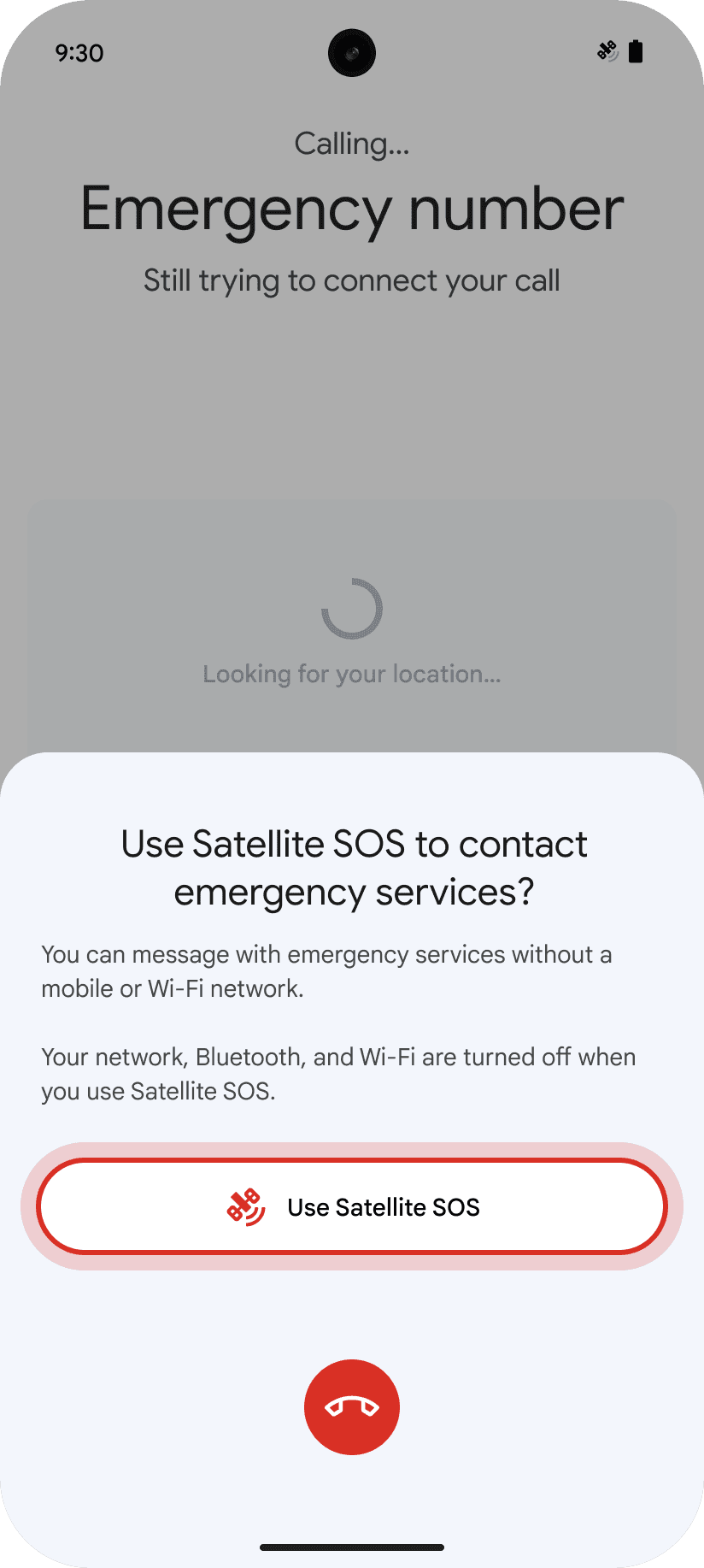
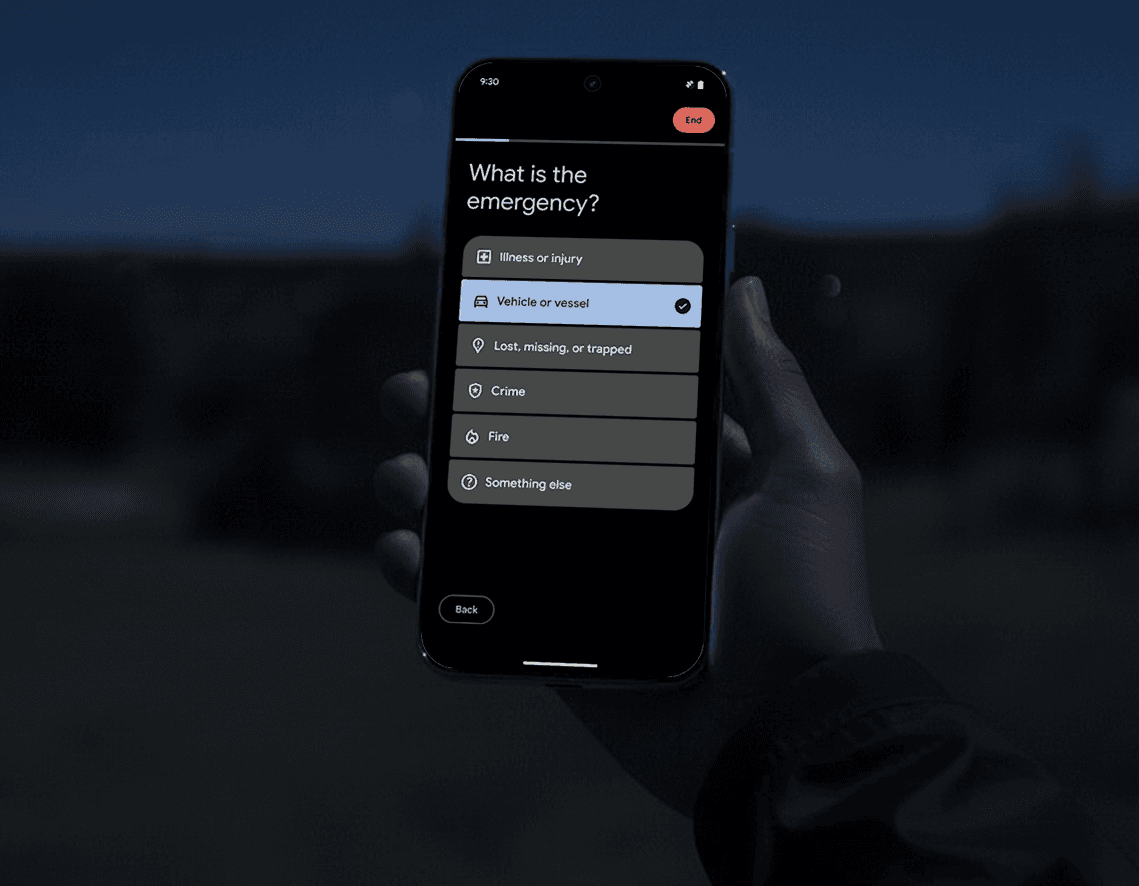
Most of the world population is covered by a mobile-broadband signal, but blind spots remain. Being a top priority for Android in 2024, the project's goal was to enable people to reach emergency services via satellite even when there's no cellular coverage.
It isn't every day that you get to work with satellites. This was a highly technical and fast-paced project that involved many product areas and external stakeholders. As this was an unprecedented territory for Google, our team had to had to create entirely new UX patterns and interaction models from the ground up.
Some stats
signal_cellular_1_bar
14% of the US has zero cell coverage.
park
Each year, there are over 10,000 search and rescue incidents in national parks alone.
signal_disconnected
The average phone is only reliably connected about 85% of the time.
A constellation of constraints
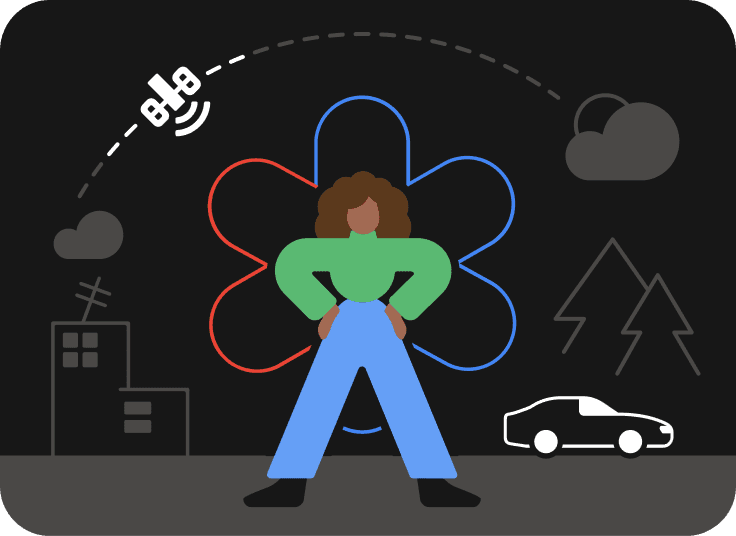
Communicating through satellite still came with a lot of technical challenges and limitations our team had to design around
Technical Constraints
Antenna alignment
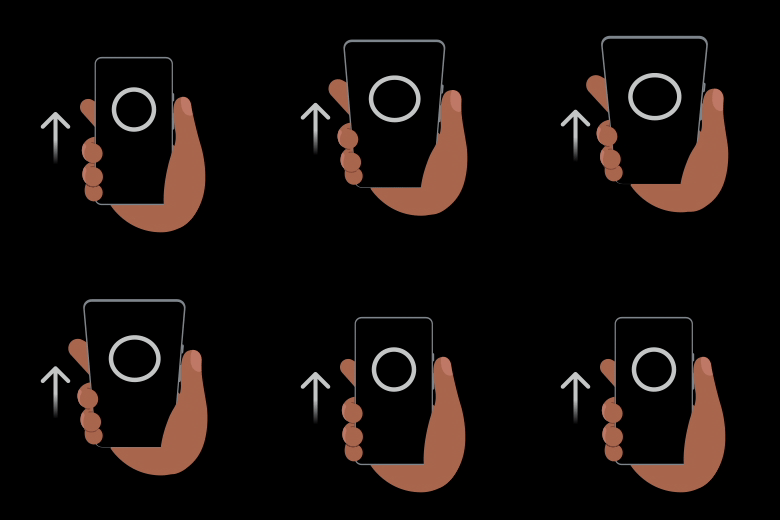
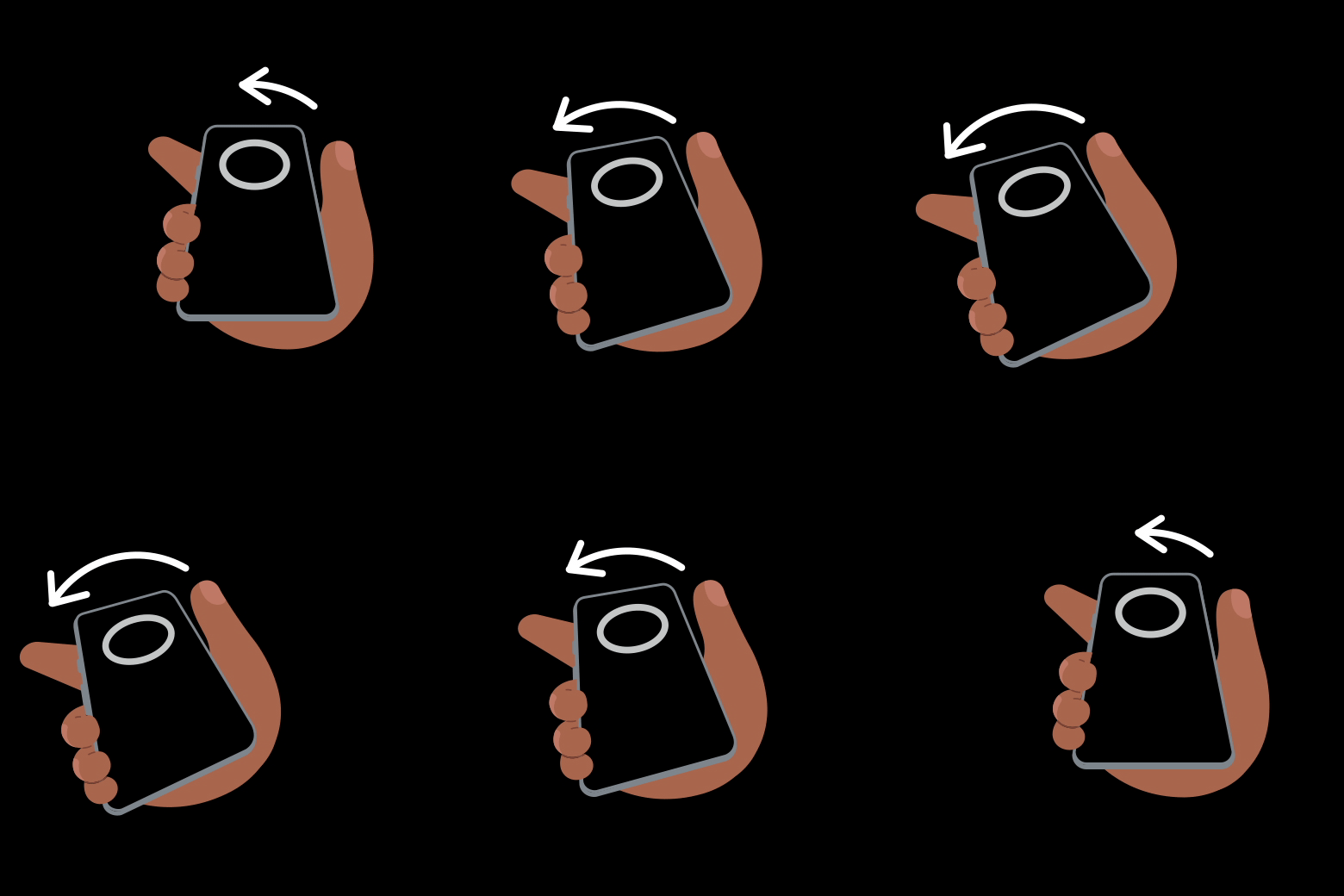
The phone needs to constantly aim its antenna carefully towards a satellite to form a connection, in order for the message to get through
Low bandwidth transmission
The low bandwidth transmission means that we could only transmit text messages, and sending it can take longer that what users are used to
Clear view of the sky
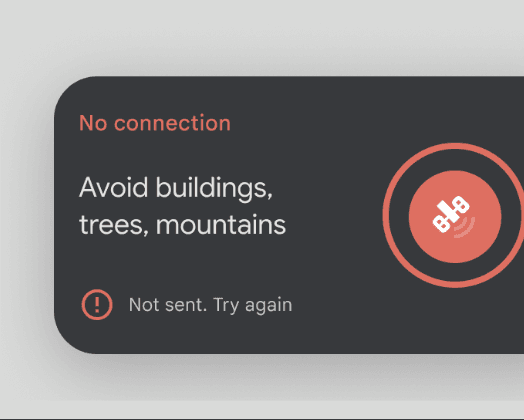
The device needs a clear line of sight to the satellite. No trees, buildings, or mountains can be blocking the way, otherwise the signal could be cut off.
Radio interference
All other radios on the device – Wi-Fi, cellular, Bluetooth – need to be turned off to avoid interference with the satellite antenna
Battery Consumption
Communicating with a satellite requires a lot of power, which can eat away at the device’s battery life very quickly, which is obviously very precious in an emergency situation
Prototyping in uncharted territories…
One of the challenges from the get-go was figuring how create a realistic prototype to test with users. With some clever hacks, I created an interactive prototype with Protopie that uses the actual accelerometers on the device to simulate the pointing experience.

A protopie prototype loaded on a Pixel device simulating the satellite connection experience
A true joint effort
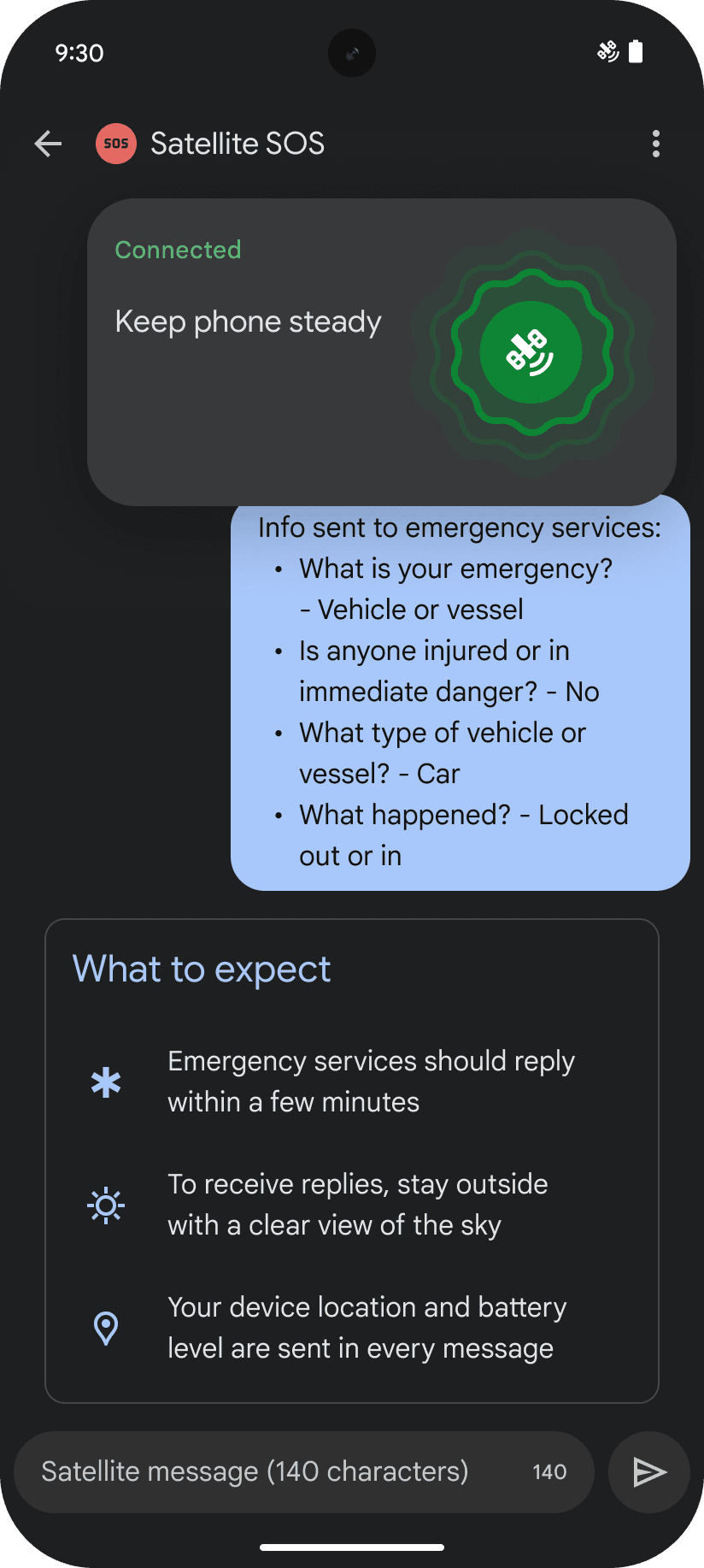
The project required close collaboration with internal product teams and external emergency providers, to ensure handoffs between different surfaces felt seamless, ensuring continuity and trust throughout the experience.
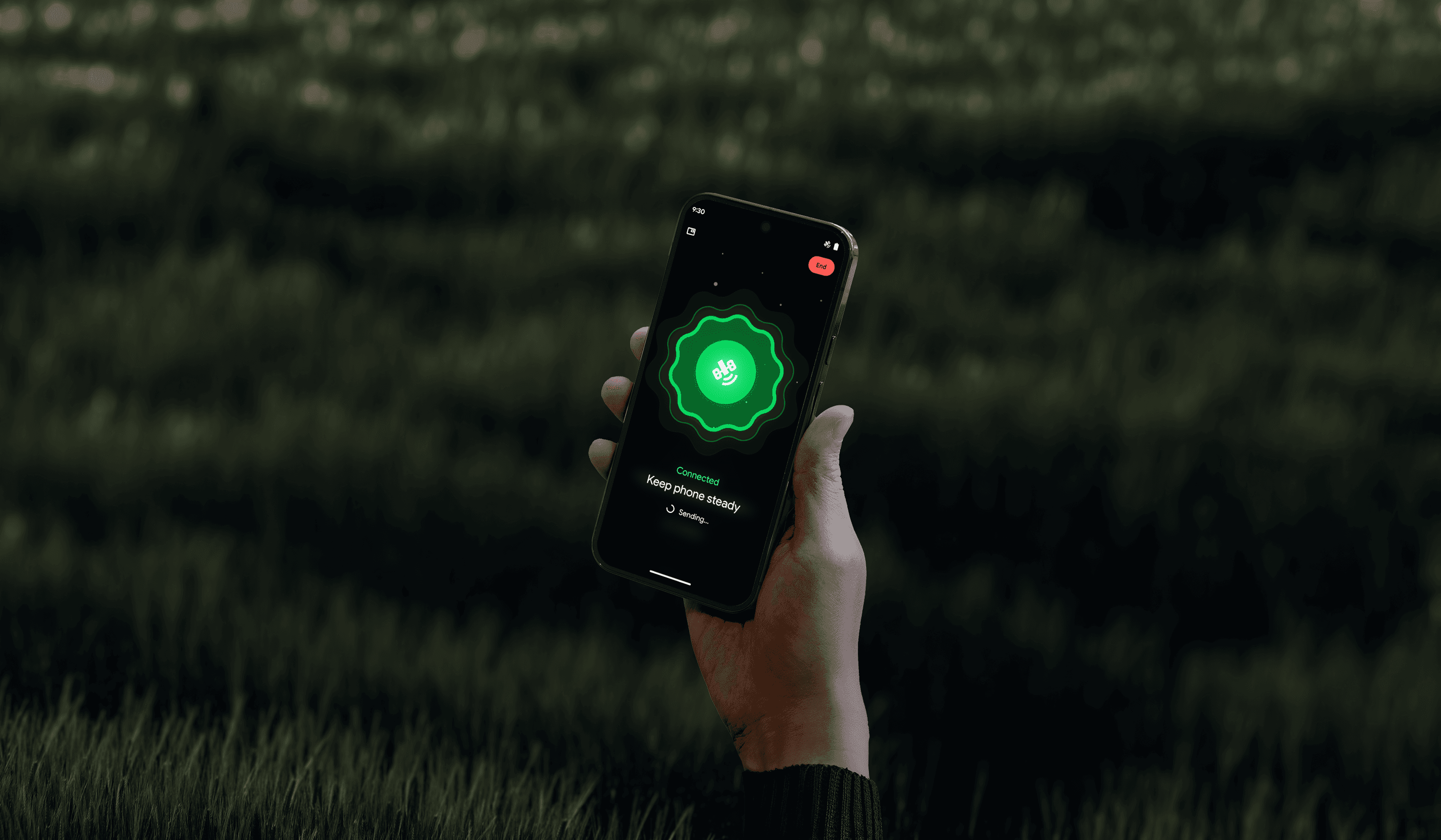
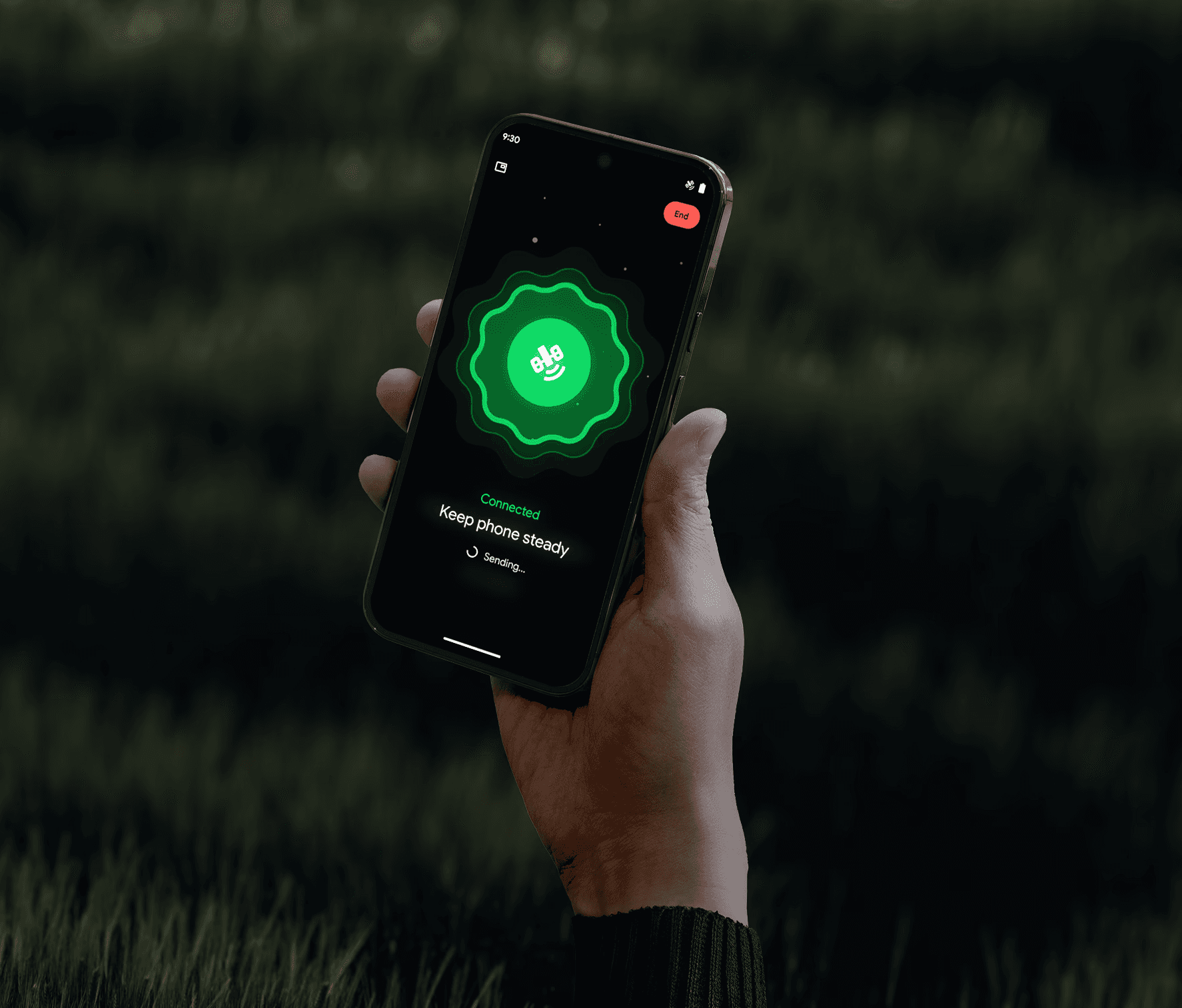
The final design introduces a subtly gamified experience that guides users to point their device in the optimal direction by matching shapes on the screen. This approach abstracts away technical complexities, making the process intuitive and approachable for users.
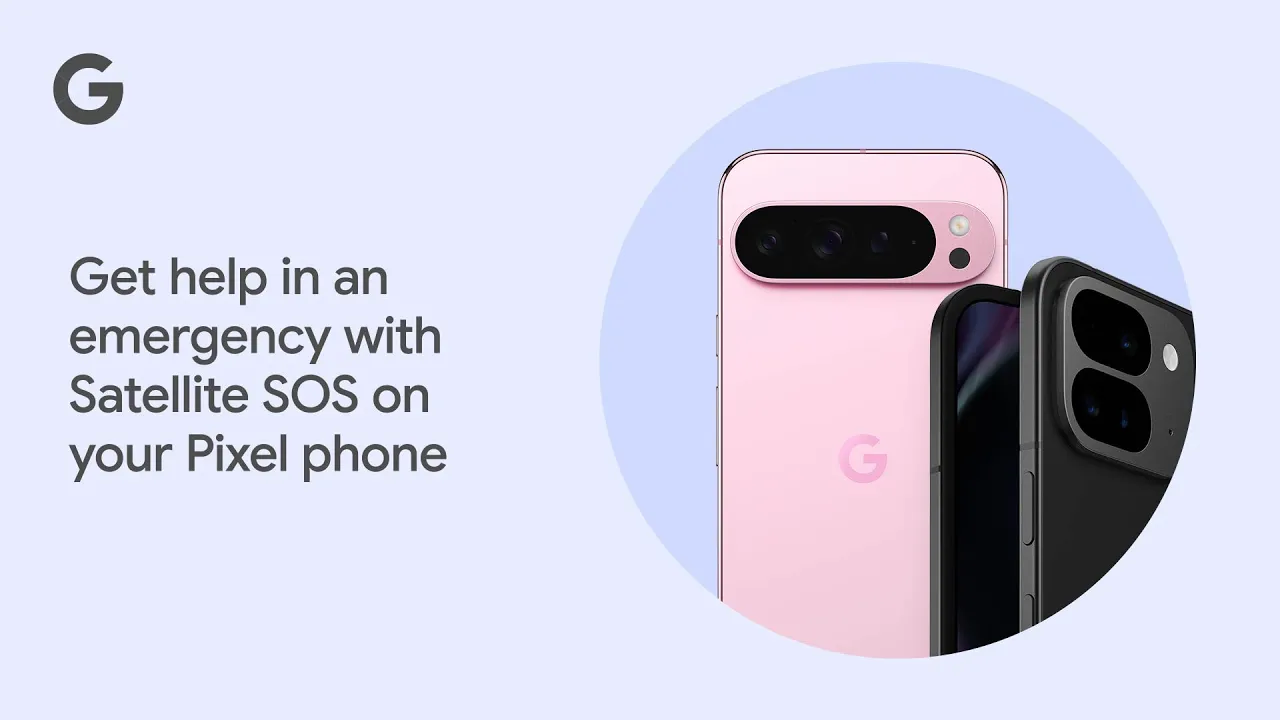
User educational video
Real-life satellite connection testing on the Pixel 9 Pro


Impact
Giving peace of mind to millions
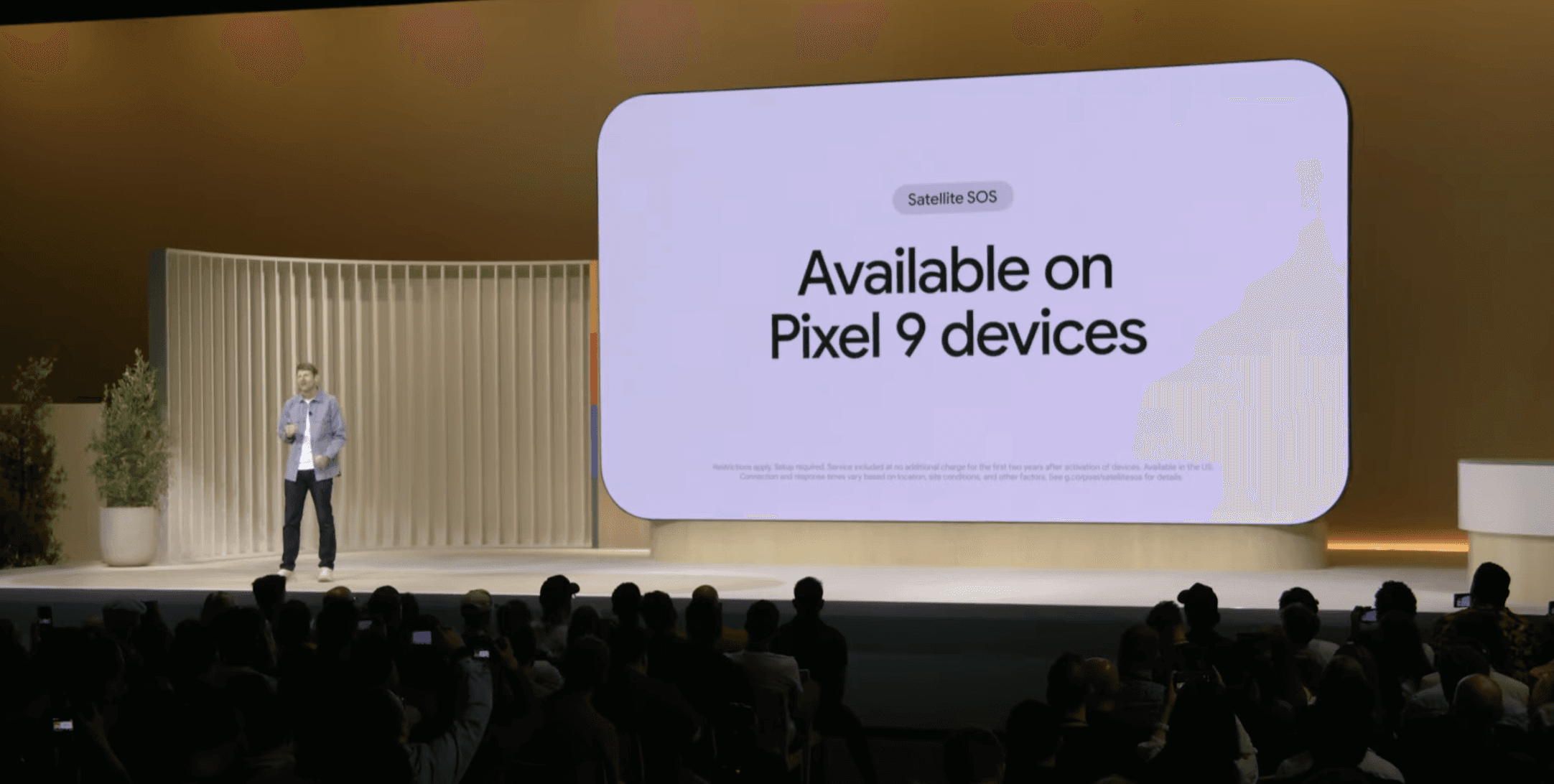
Satellite SOS was unveiled at Made by Google '24 as a feature on the Pixel 9 series, becoming the first Android device to integrate satellite connectivity.
During the 2024 country-wide power outage in Spain, Satellite SOS was ultilized during 8 separate emergency sessions.